
Hablamos español

Defending Your Rights, Ensuring Your Safety

It can be difficult and emotionally draining to maneuver your way through the legalities of protecting yourself or facing a restraining order against you. The following FAQ explains the process, types of orders, coverage, impact on your rights, and related issues. If you know your legal position, you can better protect yourself and your interests from harm.

Contact Goldman Flores Restraining Order Law Firm for a confidential consultation to assist you with filing a restraining order or preparing your defense in Orange County. Protect your future. We are here to help.

General FAQ

Frequently Asked Questions (FAQ)

In California, the appropriate protective order depends primarily on the relationship between you (the protected person) and the person engaging in the conduct to be restrained (the restrained person). There are four types of restraining orders under California law. Each type is used in different situations and legal settings. The first step is correctly identifying this relationship, since it determines which court forms you file and which legal standards a judge applies to your case.

  1. Domestic Violence Restraining Order

The first and most common type is the Domestic Violence Restraining Order, or DVRO, which is the most important distinction they make. A DVRO is filed under the Family Code (California Family Code sections 6200 through 6390) to seek protection from an intimate partner, like a spouse, partner, co-parent, close family member, or close blood relative (like a brother and sister).

The legal definition of abuse for a DVRO is broad. This law involves many things, including:

  • Physical violence
  • Threatening to hurt a person
  • Threatening to harm their children

A DVRO that is granted will usually last for five years. In this situation, the judge may issue additional orders for custody and support to the children.

  1. Civil Harassment Restraining Order

On the other hand, the civil harassment restraining order (CHRO) is the appropriate restraining order when most of the abusive behavior occurs outside the intimate or close family context. This order applies to non-intimate relationships, including:

  • Neighbors
  • Roommates with no dating history
  • Distant relatives
  • Strangers

A civil harassment restraining order (CHRO) requires proof of unlawful violence and credible threats or a course of conduct that will cause substantial emotional distress to a reasonable person. So, while DVROs look at the nature of the relationship and generalized abusive behavior, CHROs are more concerned with particularly distressing, harassing conduct.

  1. Elder or Dependent Adult Abuse Restraining Order

California law provides certain protections for vulnerable groups through the Elder or Dependent Adult Abuse Restraining Order (EARO). The elderly who are 65 and older, as well as adults who are dependent adults that have a physical disability and/or a mental disability, are offered protection under this order. The EARO covers:

  • Bodily harm
  • Neglect of basic needs
  • Financial abuse
  • Isolation
  • Other forms of mistreatment

The existence of the EARO acknowledges that these persons are vulnerable in their rights and provides for the circumvention of the general harassment regime.

  1. Workplace Violence Restraining Order (WVRO)

The Workplace Violence Restraining Order (WVRO) seeks to tackle the safety issues that arise in workplaces. This order is special since it is only made by the employer of someone who has suffered violence or credible threats in the workplace.

A WVRO has a different purpose than a CHRO, which an employee may seek, because it allows an employer to obtain a court order that protects the workforce from workplace-related threats or violence.

You need to know which of these four categories applies to your situation. If you choose the wrong one, your petition will be stopped, and you will need to refile under the correct code.

A restraining order is a court order that gives the victim legal protection against stalking or harassment. A “no-contact” order is generally just one of the key orders made in the restraining order or a separate order made in a criminal case.

A civil court often issues a restraining order (also called a protective order) containing the judge's specific directives on the restrained person. The person seeking protection (petitioner) is the one to initiate a civil action.

A restraining order can help stop abuse, harassment, or threats by restricting the respondent’s behavior in various ways, depending on the situation, such as domestic violence or civil harassment.

The no-contact order is one of the most crucial protections in a restraining order. It is a specific order that legally forbids the restrained person from communicating with the protected person.

This prohibition is sweeping and includes:

  • Any type of communication, whether a phone call, text, email, letter, or social media post, is prohibited
  • The restrained person shall not use a friend, relative, or lawyer to pass messages (except through their lawyer on matters directly related to the case)

The restraining order is the big umbrella legal decree and often contains specific orders designed to ensure the safety of the protected person.

  • Stay-away order — Restraining orders can include a stay-away order or other similar provisions. A stay-away order requires the restrained person to stay away at a specified distance (for example, 100 yards) from the protected person and/or her home, workplace, and/or child’s school or vehicle.
  • Move-out order — In domestic violence cases, the ordered person may be restrained from coming to and ordered to move out of the shared home immediately.
  • Firearm prohibitions — Persons the court has restrained from possessing a firearm must surrender, sell, or dispose of firearms, ammunition, or gun parts.

Adding to the confusion, the term "No-Contact Order" can also refer to a Criminal Protective Order (CPO). This is an order that a judge issues in a criminal court case. For example, this can include an order for assault, stalking, or domestic battery.

In this context:

  • The prosecutor or the court usually initiates the CPO, but the victim rarely does
  • It functions as a condition of the defendant's bail, probation, or parole
  • As its name suggests, this ‘no contact’ order prevents contact with the victim and keeps them safe while their case continues.

Even though a Civil Restraining Order and a Criminal Protective Order both require a “no-contact” order, the restraining order is the more comprehensive, civil order of protection. A restraining order often includes more expansive terms, like residence exclusion, custody orders, and permanent “stay away” distance requirements.

Judges reject restraining order requests even if the petitioner feels unsafe because the case did not meet the required legal and procedural standards. California courts do not simply grant the orders due to an acrimonious or hostile relationship between the parties. The court requires the respondent’s conduct to be adequate proof of abuse or harassment. A denial should be seen as a hole in the evidence or procedures produced, not a judgment on the applicant’s feelings.

Some common reasons a judge will deny a restraining order request include:

Failure to Meet the Legal Standard

The most frequent cause for a rejection is not satisfying the legal standard for the specific order requested.

To obtain a Domestic Violence Restraining Order (DVRO), the person requesting it must demonstrate that they have suffered past abuse or have a “reasonable fear of future abuse.” In the case of a Civil Harassment Restraining Order (CHRO), which applies to neighbors or co-workers, the burden is even higher. The petitioner must show that the respondent engaged in “unlawful violence” or a “credible threat of violence.” Alternatively, the petitioner must show the respondent engaged in a knowing, willful, repetitive “course of conduct” that seriously alarmed, annoyed, or harassed the petitioner and served no legitimate purpose.

Not very serious incidents like annoying or irritating conduct, minor arguments, or simple neighborhood disputes do not qualify as a threat to this extent of harassment, resulting in the judge rejecting the request.

Insufficient Evidence and Burden of Proof

One complication arises from definitions, as the burden of proof rests entirely on the petitioner. The evidence presented must meet the court's evidentiary threshold, whether it is the petitioner’s declaration or his/her testimony.

For a domestic violence restraining order, the standard is a preponderance of the evidence. That means the judge must find it more likely than not (51% probable) that the abuse occurred. For a CHRO, the benchmark is considerably higher. ‘Clear and convincing evidence’ requires the judge to be highly convinced of the occurrence of harassment.

Many petitions are denied because the claims are too vague. For example, the claim may not have a date. Sometimes, it is simply one person’s word against another’s. There is often no corroborating evidence like texts, emails, photos of damage, or police reports.

If the judge believes the petitioner’s assertions are inconsistent or less credible than the respondent’s evidence, the petitioner will not meet the burden of persuasion, and the judge will deny the order.

Procedural and Filing Errors

The petition may also be rejected for procedural errors unrelated to the facts of the case. Judges cannot legally issue a permanent order if the restrained person was not properly served with the court papers and notice of hearing. If the petitioner did not have service completed by a qualified process server or did not comply with the specific rules in the case of service, the judge must continue the hearing to allow for proper service or, if past the deadline, deny the order.

Another procedural pitfall is filing the wrong kind of order. For example, a petitioner in a dating relationship must file for a DVRO to use that order’s broader protections and lower burden of proof. However, if they mistakenly file for a CHRO, the judge may deny it because the required relationship criteria for the CHRO are not met or the evidence does not meet the higher CHRO standard.

A temporary restraining order (TRO) and a “permanent” restraining order differ only in their purpose, length, and the stage of the process at which they are issued. The TRO provides immediate protection in an emergency while the judge prepares for a full evidentiary hearing. The final order provides long-term protection and happens after both sides get to tell their side of the story to the judge.

The Temporary Restraining Order (TRO)

The temporary restraining order (TRO) serves as an emergency safeguard. Once you file your petition with written documents and sworn testimony, the judge will usually issue a TRO the same day or soon thereafter. The judge quickly examines the paperwork because the restrained party is absent. The judge only looks for reasonable evidence that abuse or harassment occurred, and you need immediate protection from great or irreparable harm.

The primary purpose of a temporary restraining order is to put a no-contact or stay-away order in place to protect you until a hearing can be scheduled. In California, a TRO lasts for approximately 20 to 25 days. This is sufficient time for the restrained party to be legally served with the necessary documents and prepare for the next step.

The "Permanent" Restraining Order

A "permanent" restraining order is the long-term final order given only after a formal court hearing. At this hearing, the petitioner and the respondent can appear, testify under oath, and present evidence, such as witnesses, text messages, photographs, or police reports. The judge evaluates all the evidence and makes a final and enduring ruling, according to the necessary burden of proof.

The word “permanent” is legal. The orders are not literally permanent or for life. California judges can issue a final restraining order lasting up to five years. If the protected party is still reasonably afraid of future harm, it can file to renew the restraining order before it expires. Only the last order bears the full weight of the court's long-term decision.

A restraining order issued by the court in California is a safety plan that a victim can enforce by law. Through this instrument, a restrained person can be imposed with specific detailed rules, and they have to comply with them under threat of the law. Typically, these rules fall into one or several of these categories:

  • Personal conduct
  • Physical distance
  • Exclusion from residence
  • Ban on firearms

The heart of the order is to immediately stop any action that endangers the safety or peace of mind of the protected person.

Personal Conduct and Stay-Away Orders

The most basic protection a restraining order gives you comes from personal conduct orders and stay-away orders. These orders are the most extensive and order the restrained person to cease abusing, harassing, stalking, or threatening the protected person. You can not contact anyone via any method, including in person, via telephone, text, e-mail, or social media.

With this protection, the judge issues a stay-away order which specifies a minimum distance (usually 100 yards) that the restrained person must keep from the protected person. The distance limitation also applies to the protected person’s home, work, children’s school, and vehicle.

Residence Exclusion and Firearm Prohibition

Protection orders may also restrict individuals from accessing specific locations or residences. In cases of domestic violence restraining orders, a judge can issue what is called a Residence Exclusion Order, more commonly referred to as a “Move-Out” Order. This order requires the restrained person to leave a shared home, regardless of whether the restrained person owns the house or is on a lease. The protected person is given temporary exclusive possession of the home.

Firearm restriction is another key protection. Specifically, a person subject to a restraining order cannot own, possess, purchase, or receive firearms or ammunition while the order is in effect. The person must sell or surrender any gun they own to law enforcement or a licensed dealer.

These protective provisions ensure that future abuse is treated as an immediate crime. By clearly defining and enforcing these boundaries, the restraining order provides an official, enforceable court mechanism to stop harmful behavior. Any kind of violation of any term in the order, whether to send a single text message, step a yard over the line, or not surrender a firearm, is a crime, and the restrained person is then subject to arrest by law enforcement.

A restraining order is a legally binding court order. A violation of a restraining order must be taken seriously. A violation can result in grave penalties. If a restrained party intentionally and knowingly violates any order term, like a stay-away order, no-contact order, or an order not to possess a firearm, they are committing a crime. This criminal act is formally prosecuted under Penal Code (PC) §273.6. The first willful violation is a misdemeanor.

The persons to be protected must know that the order allows police to act immediately. If the restrained individual violates the order in any way, even by sending a text or crossing the distance established, the protected person should call the police immediately. A restraining order allows law enforcement to arrest on the spot, rather than needing a warrant to make the arrest and another charge. When the officer responds, he/she will determine the existence and terms of the order and then take the restrained person into custody for violating a court order.

The punishments for Penal Code §273.6 violations can be quite serious and are based on the severity of the violation and the defendant's criminal history.

A first-time violation without physical injury is ordinarily charged as a misdemeanor under PC §273.6(a). Being convicted of a misdemeanor may lead to:

  • One year in the county jail and/or
  • A $1,000 fine

If, however, you cause trauma to a person because of your violation, PC §273.6(b) sets the penalties higher. You will:

  • Spend a minimum of 30 days to a maximum of one year in county jail and/or
  • Pay a fine of up to $2,000

Judges may impose alternative penalties to jail time and paying a fine, like ordering court-ordered counseling or batterer intervention classes when deciding on a penalty.

The penalty is significantly increased if the act is a second or subsequent violation involving violence or a credible threat. If the crime happens again, the person may be charged with a felony under PC §273.6(d). A felony conviction means a person can be:

  • Sentenced to state prison for as long as three years and
  • Be fined up to $10,000

This increase shows that a misdemeanor is a serious crime, but when a person commits the crime with violence, they receive harsh criminal penalties that the law provides.

Background checks vary by employer, and whether a restraining order appears depends on the type of check conducted. Further, if the restrained person violates the order, it could also show up in the check.

All restraining orders issued by the court go into the California Law Enforcement Telecommunications System (CLETS) immediately. This specialized state law enforcement database provides access to the order 24/7 for police officers who will enforce it. However, the public and most commercial background checking firms cannot access CLETS.

So, most common data checks employers conduct will not show the civil restraining order on the background check. These basic screenings typically check the criminal record and the sex offender registry. A restraining order is a civil court order, not a criminal conviction. As a result, it is often missed by poorly conducted, limited searches. Landlords or employers who run particularly comprehensive screenings, like those for positions requiring high security clearance or involving children, may specifically search civil court records. This can reveal the existence of the order, as the civil case itself is a matter of public record.

The key distinction lies in the concept of a criminal violation. If the restrained person violates any order term, law enforcement can arrest them, and the prosecutor can charge them with a crime under PC §273.6. According to California law, a conviction under PC 273.6 for violating a restraining order is a crime, and just like any other misdemeanor or felony conviction, this will definitely appear on a standard criminal background check. So, even if the civil order is mostly hidden, if the order is violated, then the civil matter will turn into a criminal matter. This means that the person will have a permanent mark on their criminal record.

Find a Restraining Order Lawyer Near Me

Whether you are trying to obtain a restraining order against someone or defending against one, immediate access to professional legal help is necessary. While court orders are a vital shield, they can only be effective if filed properly and enforced diligently.

If you need to file an order or a restraining order was issued against you in Orange County, do not wait. Contact Goldman Flores Restraining Order Law Firm immediately. You will need to contact our team at 714-333-0699 for help so that we can protect your rights and help you comply with the court procedures and requirements.

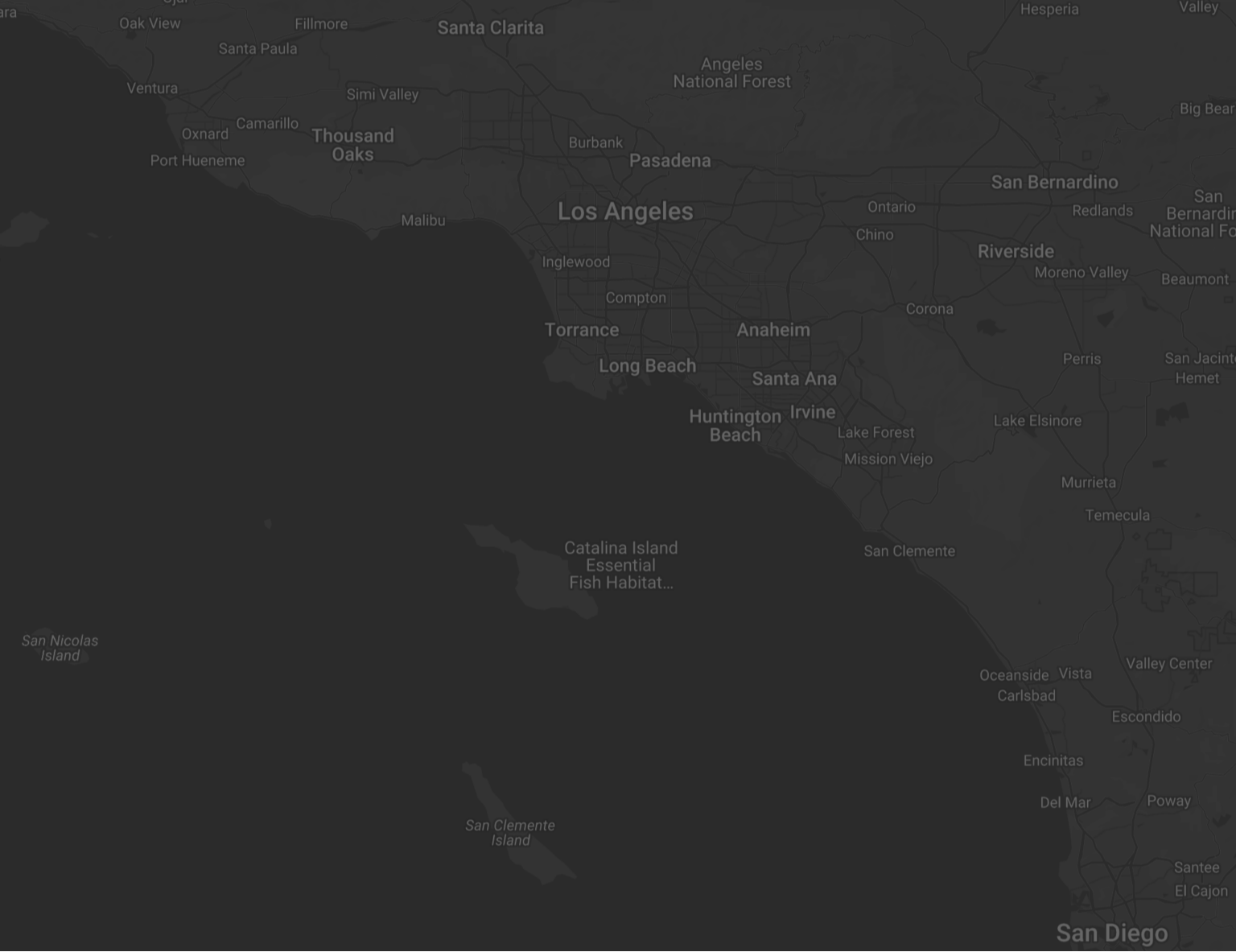
Orange County

714-333-0699 TBD

Contact Us for Legal Support

If you or your loved one needs help with any restraining order issue in Orange County, whether defending against or seeking one, please do not hesitate to contact us at 714-333-0699. We are here to offer compassionate support and personalized legal strategies to navigate the challenging legal justice system.